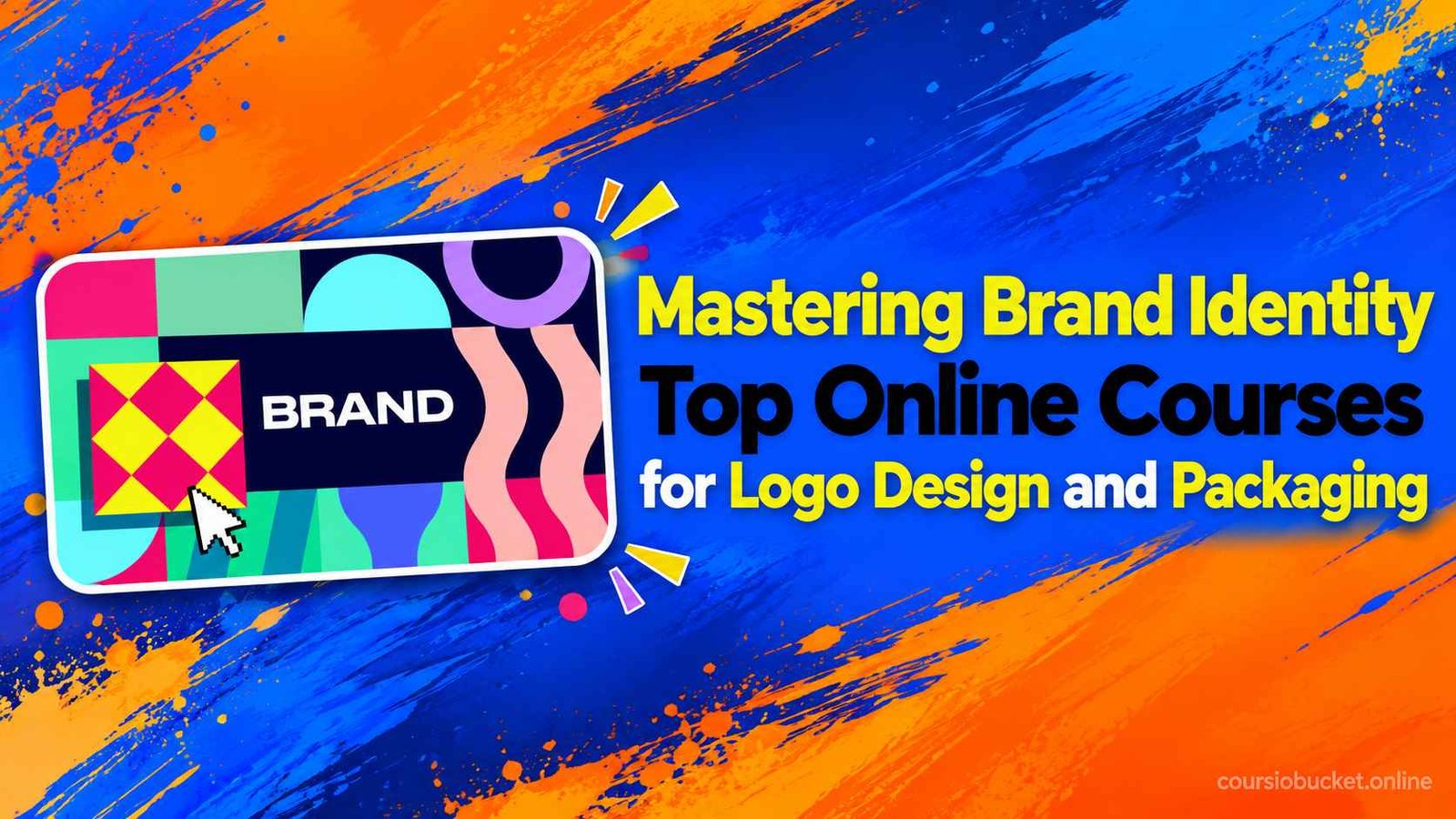
A memorable visual identity bridges the gap between a generic commodity and an unforgettable brand. When done right, coherent logo design and structural packaging communicate value before a customer ever reads the product description. Finding the right educational resource transforms how you approach typography, color theory, dielines, and 3D mockups.
Whether you are an aspiring freelancer or an in-house designer looking to broaden your skill set, investing in targeted training pays immediate dividends. Exploring courses focused on mastering brand identity equips you with actionable systems to turn conceptual client briefs into tactile, retail-ready deliverables.
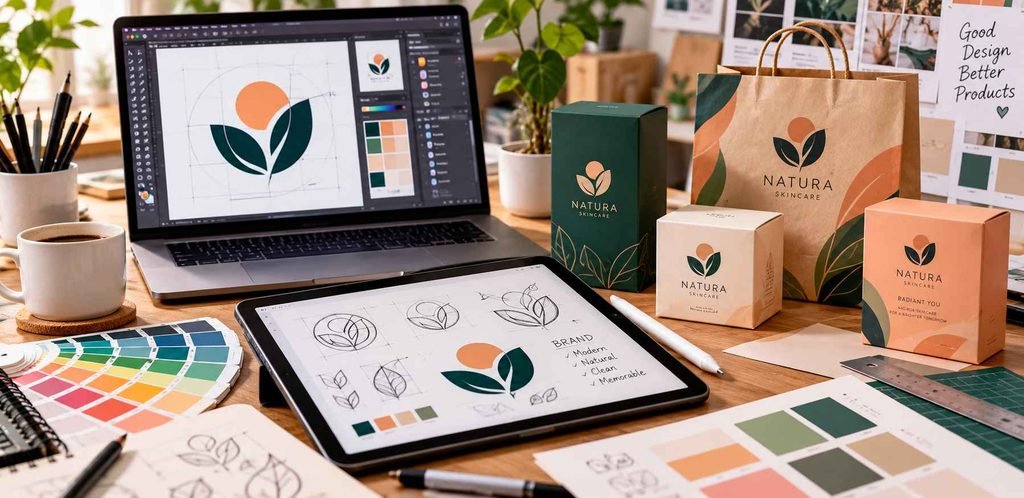
Why Packaging and Logo Design Require Unified Study
Many beginners separate logo design from tangible product packaging, treating them as distinct disciplines. When you evaluate retail shelves or digital storefronts, product packaging is usually the physical host for that logo. Without understanding substrate materials, print production, and real-world scale, a pristine vector mark can fall flat.
Mastering brand identity means developing an eye for both flat screen assets and three-dimensional consumer touchpoints. If you want to prepare clean vector assets before applying them to physical boxes and bottles, discovering how to use Canva’s AI background remover for clean graphics can help streamline your preliminary asset preparation.
Top Online Courses for Logo Design and Packaging
1. Packaging Design Fundamentals: Branding and Sustainability (Domestika)
This program walks students through the entire lifecycle of consumer packaging. Instructors demonstrate how to balance expressive graphic treatments with eco-friendly production constraints and sustainable materials. Check out our comprehensive Packaging Design Fundamentals: Branding and Sustainability Review to determine if this curriculum matches your creative ambitions.
2. Logo Design Masterclass with Eugene E. (Skillshare)
Eugene E. takes students past simple software tools, diving straight into ideation, concept sketching, and golden-ratio grid systems. Designers learn to identify client core values and condense complex brand narratives into timeless vector symbols.
3. Graphic Design Specialization: Brand New Brand (CalArts via Coursera)
Created by California Institute of the Arts faculty, this specialization challenges you to develop an entire brand ecosystem. You begin with typography and brand marks, eventually expanding your designs onto stationery, retail bags, and unboxing collateral.
4. Adobe Illustrator for Brand & Packaging Design (Udemy)
For hands-on technical proficiency, this course covers creating dielines, bleeds, CMYK color profiles, and 3D bottle mockups. Knowing how to prepare error-free production files prevents costly print mistakes that frequently haunt junior designers. If your career path intersects multiple visual mediums, evaluating a broader Graphic Design, Video Editing & Motion Graphics Masterclass Review can expand your multi-format design capabilities.
Comparing the Leading Brand Identity Programs
| Course Name | Primary Focus | Skill Level | Core Software | Portfolio Project |
| Domestika Packaging Fundamentals | Retail Packaging & Sustainability | Beginner–Intermediate | Illustrator, Photoshop | Sustainable box packaging |
| Skillshare Logo Masterclass | Logo Ideation & Vector Grids | All Levels | Adobe Illustrator | Multi-variation logo suite |
| CalArts Brand New Brand | Complete Brand Identity Systems | Intermediate | InDesign, Illustrator | Comprehensive brand style guide |
| Udemy Illustrator Packaging | Dielines & Print Production | Beginner | Adobe Illustrator | Print-ready product label & dieline |
Key Skills to Target While Mastering Brand Identity
Structural Dielines and Print Specs
A great packaging designer knows how paper grain, fold lines, and glue flaps interact in the physical world. Learning how to construct an accurate 2D dieline ensures your graphic elements land on the front panel instead of inside a seam. You should also familiarize yourself with Pantone Matching Systems (PMS) and CMYK standards to preserve color fidelity across different packaging materials.
Visual Hierarchy and Shelf Impact
Consumer attention spans last mere seconds in a physical aisle or online marketplace. Brand marks, product benefits, and mandatory regulatory labels must appear in an intuitive sequence. Research shows that shoppers make purchase decisions based largely on packaging color and readability within seconds of browsing.
Frequently Asked Questions
What software is essential for packaging and logo design?
Adobe Illustrator remains the industry standard for logo creation and packaging dielines because vector art scales infinitely without quality degradation. Adobe Photoshop and Dimension or Blender are commonly paired with Illustrator to create realistic 3D unboxing mockups for presentations.
Can I learn packaging design without prior graphic design experience?
Yes, foundational packaging courses introduce you to basic tools, shape construction, and simple dielines. Taking introductory courses that cover typography and basic layout principles first makes the transition smoother.
How do I show packaging design in a portfolio without physical client work?
You can create self-initiated concept projects for existing or fictional brands. Download commercial dieline templates, design original artwork, fold printed samples at home, or render them using 3D mockup software to demonstrate your spatial awareness.
Final Thoughts
Developing cohesive logos and packaging builds lasting client trust and sets your creative portfolio apart. The ideal course depends on your current knowledge gap—whether that means mastering vector drafting, exploring sustainable materials, or understanding commercial dielines. Choose a program that provides practical exercises, update your portfolio with a cohesive case study, and begin turning abstract brand ideas into tangible shelf presence today.